Sensory Values
Cultural landscapes that are much more than just ‘land’
Adapted from a paper presented by Jim Wheeler and Dr Miranda Gronow at the First Peoples State Relations (FPSR) Cultural Landscapes Symposium
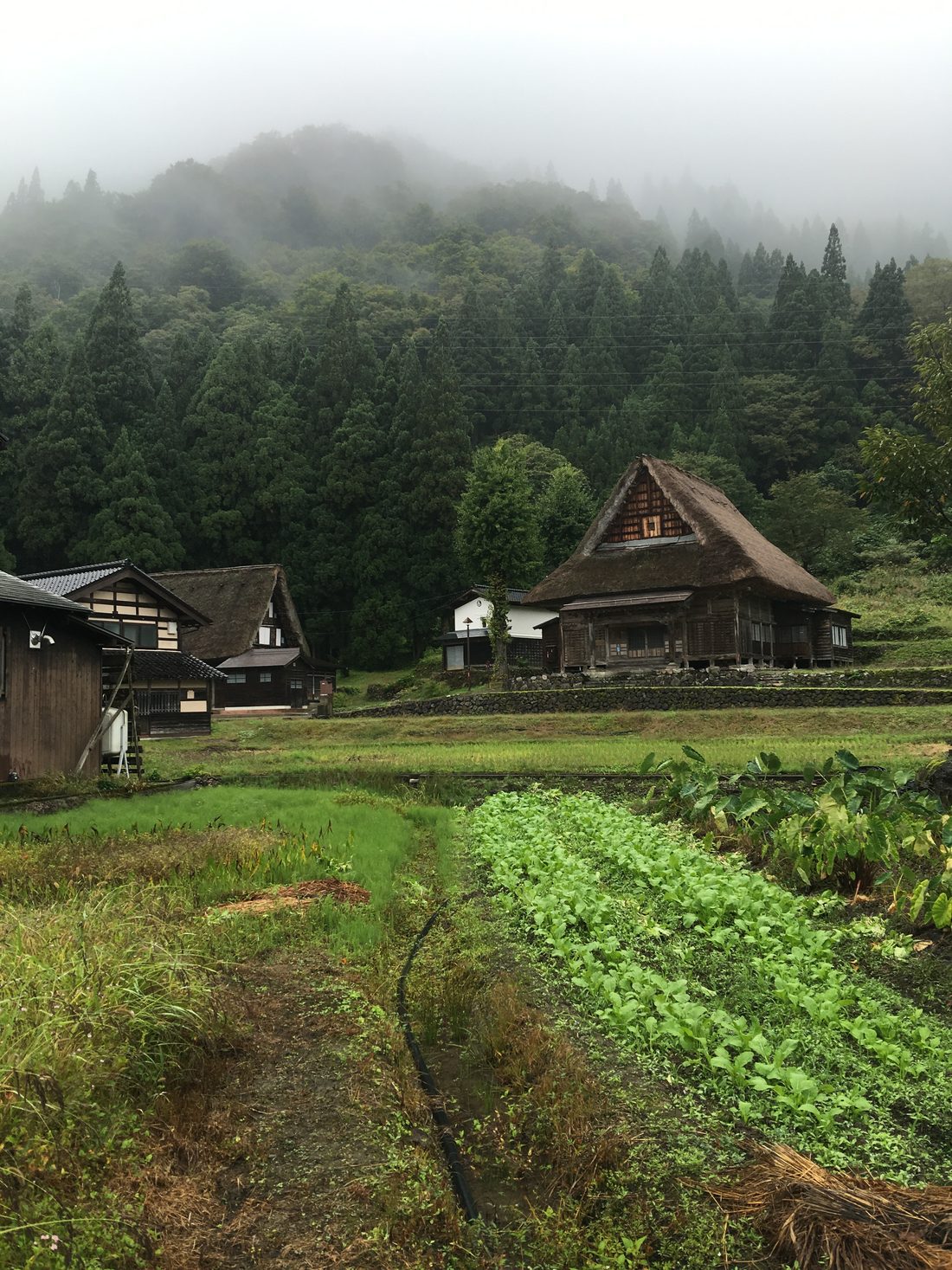
When you think about your favourite place, do you picture a shapefile on a map? Or do you think of the marvellous views, the smells and sounds, and the way they make you feel when you are there, and what they evoke about a time and place? These sensory values are our main points of access and connection to a landscape, yet they are rarely recorded or considered in the management of cultural landscapes or heritage places.
This piece explores the range of sensory values that reside in cultural landscapes and presents some suggestions about how we might identify, record and manage them. I am interested to hear about how other people approach this area ?
Why bring sensory experience into cultural landscape recording?
There are four main reasons these values should be on our radar as heritage practitioners:
- They offer a more holistic understanding of cultural landscapes that genuinely engages with social values and aesthetic significance.
- They allow us to move beyond simplistic lines and dots on a map to align our understanding of the significance of landscape with the values articulated by Knowledge Holders.
- Studies of the archaeology of the senses and phenomenological research have shown that sensory experience and the hierarchy of senses is at least partially culturally constructed. So this is a research area worthy of further exploration.
- They bring hearing, touch, smell and possibly even taste into a process that has historically privileged the visible and the mappable.
Already in the framework
Sensory values are far from being fringe concerns that sit outside statutory heritage practice. Some Australian examples that illustrate how these values can be central to the significance of a place include:
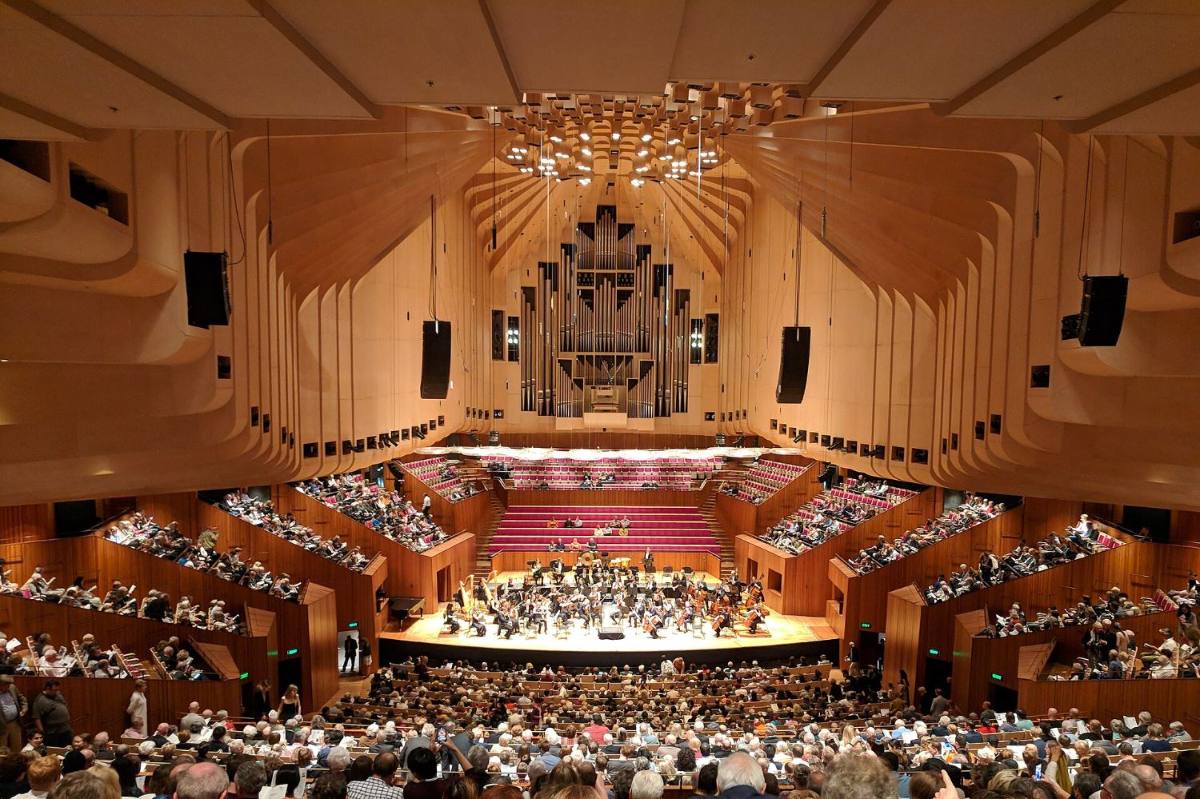
- The UNESCO nomination text for the Sydney Opera House references the acoustic properties of the ‘walnut shell’ plywood ceiling.
- The smell of the Vegemite Factory in Fishermans Bend, south of Melbourne is included on a Heritage Overlay Statement of Significance.
- At the Rockbank Receiving Station to the west of Melbourne, the military specially selected the site because of its unusually quiet conditions, which were perfect for long range wireless communications, so the quiet was not simply a matter of amenity, but the central reason the place existed.
- Culturally significant corridors and viewlines at the ANU campus were identified during the cultural values assessment undertaken for the ANU Heritage Framework.
In their appraisal of the aesthetic significance of the World Heritage listed Great Barrier Reef, Anita Smith and Chris Johnston demonstrated the central importance of ‘experiential’ values, and developed a methodology to assess these values drawing on art, historical imagery, popular snapshots, visitor perception and community values assessment. Their work shows that sensory and experiential values can be systematically assessed and measured.
Australia ICOMOS articulate these sensory values in their definition of aesthetic significance:
‘Aesthetic value refers to the sensory and perceptual experience of a place—that is, how we respond to visual and non-visual aspects such as sounds, smells and other factors having a strong impact on human thoughts, feelings and attitudes. Aesthetic qualities may include the concept of beauty and formal aesthetic ideals. Expressions of aesthetics are culturally influenced.’
In considering aesthetic value, the same Practice Note identifies the following suggested criteria:
- Does the place have special compositional or uncommonly attractive qualities involving combinations of colour, textures, spaces, massing, detail, movement, unity, sounds, scents?
- Is the place distinctive within the setting or a prominent visual landmark?
- Does the place have qualities which are inspirational or which evoke strong feelings or special meanings?
- Is the place symbolic for its aesthetic qualities: for example, does it inspire artistic or cultural response, is it represented in art, photography, literature, folk art, folk lore, mythology or other imagery or cultural arts?
- Does the place display particular aesthetic characteristics of an identified style or fashion?
- Does the place show a high degree of creative or technical achievement?
These values rarely make it into practice
While these values are articulated in best practice principles, apart from notable exceptions such as the examples I mentioned above, they are rarely recognised in practice. Take for example the Australia ICOMOS Practice Note on Cultural Landscapes, published in December 2022. References to ‘sensory’, ‘senses’, ‘acoustic’, ‘smell’, ‘scent’, ‘taste’, ‘tactile’ or ‘aural’ are wholly absent. ‘Aesthetic’ appears twice, once in a discussion about possible methods and once inside a quotation about garden design. ‘Viewshed’ only appears once. In other words, the primary guidance on cultural landscapes does not follow through on the principles articulated in the 2013 Practice Note on assessing cultural significance. I make this point not to take ICOMOS to task, but to point out that this guidance simply reflects the real-world absence of sensory values in most cultural heritage assessment work.
Do we need a bigger toolkit?
How can we record, register and protect sensory values?
Viewlines and viewsheds
Views or scenery are the sensory values most commonly understood and incorporated into heritage assessment and conservation work. They have historically been privileged as the primary sensory response in aesthetic significance assessments (see Smith and Johnston 2014).
As an example of views explicitly included in the management of significant landscapes, the culturally significant view lines at Hanging Rock in Victoria are protected in The Hanging Rock Strategic Plan, which protects the viewlines in future precinct management and planning controls.
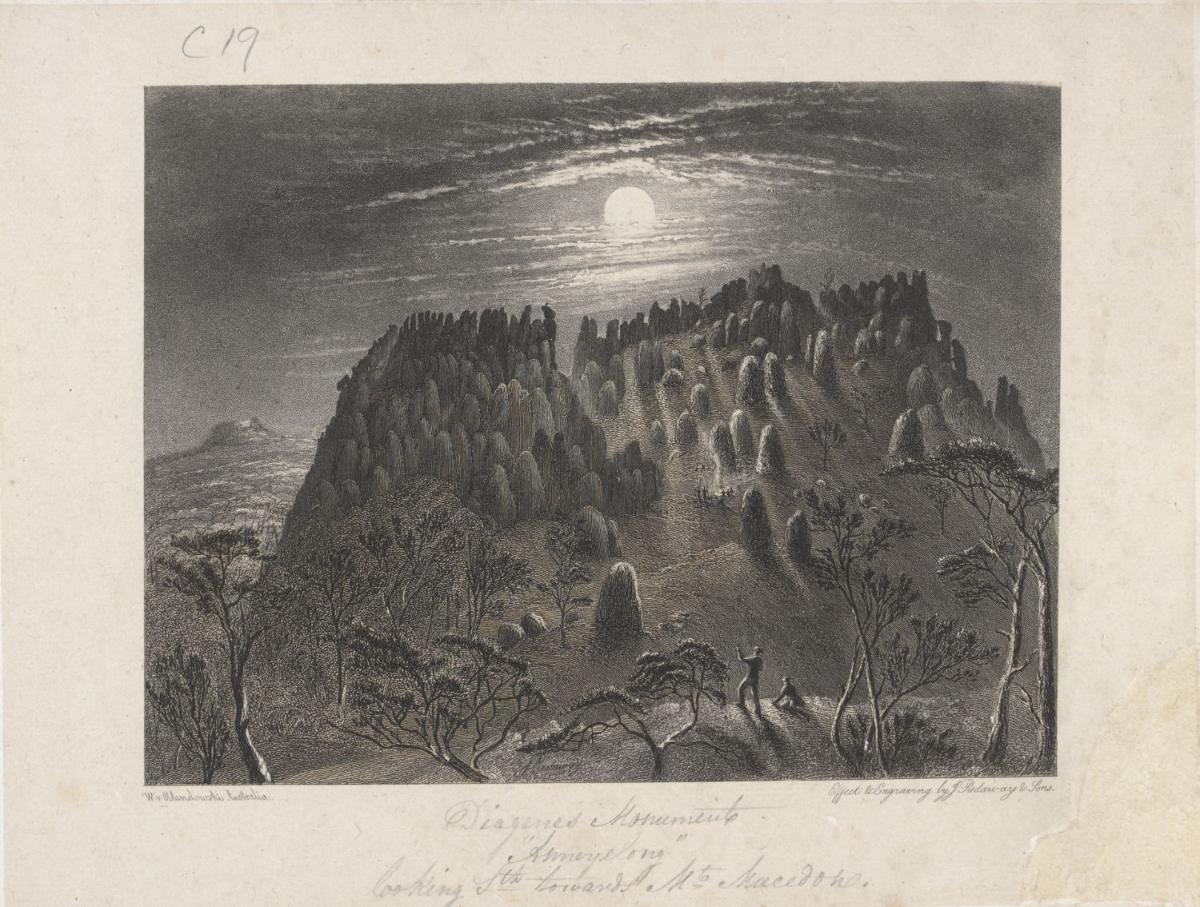
Approaches to understanding and protecting viewlines and viewsheds can include:
- Viewshed analysis and mapping.
- Height limits on tree species used in revegetation.
- Built height and massing limits embedded in the planning framework.
- Limits on the types of development and land use within the identified viewlines and viewsheds, using planning schemes and zoning.
- Building awareness and knowledge through interpretation, and through conservation management plan and construction management documentation.
- Embedding cultural corridors in open space, path, road and trail networks.
Sounds, silence and tranquillity
The Irish Famine Memorial at Hyde Park in Sydney, the work of Hossein Valamanesh and Angela Valamanesh with Paul Carter, includes an evocative soundscape of dialogue in Irish, triggered by a motion sensor under a small tree. Carter said he ‘wanted to have that small tree become, as it were, a pool of silence amid all the clamour of the city traffic’.
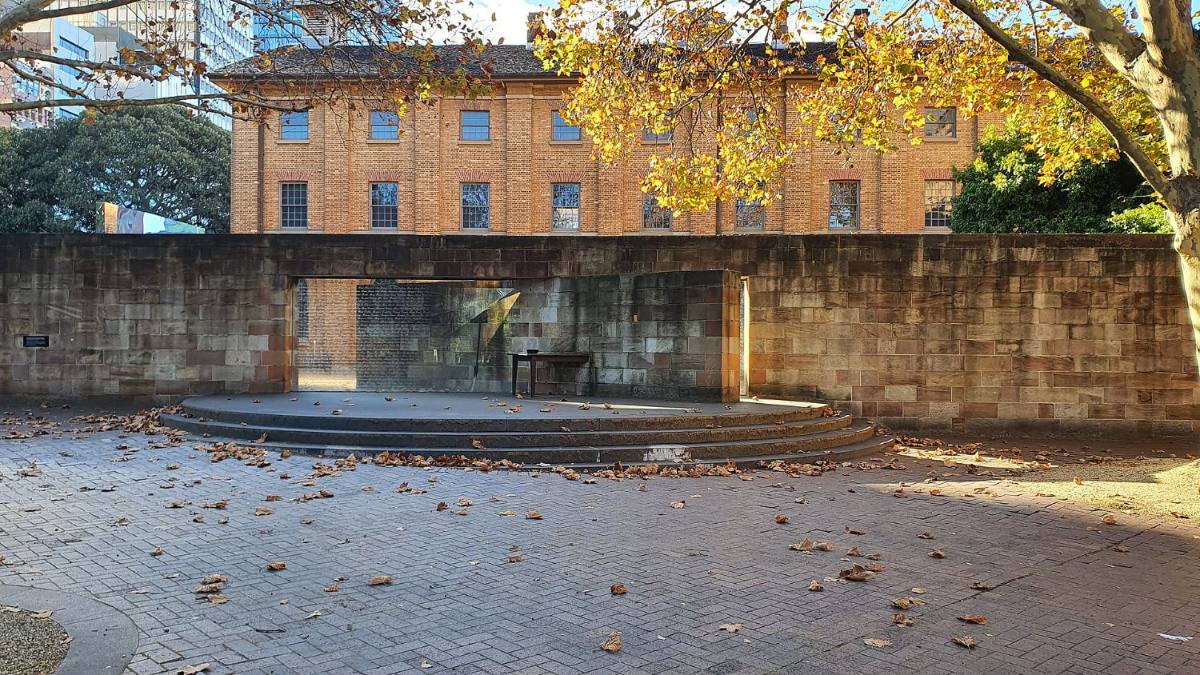
Approaches to the recording and management of culturally significant soundscapes might include:
- Field audio and audio-visual archive recording prior to change.
- Augmented reality methods to offer an enduring immersive record and experience of a time and place prior to change.
- Acoustic walls and abatement methods to dampen and deflect noise.
- Working with noise and acoustic specialists to design ‘silent’ precincts that preserve aural characteristics and amenity.
Touch and tactile connections
People seek out physical features they can touch and feel that provide a connection to stories, people or events in the past. Any archaeologist who has run ‘show and tell’ workshops will know just how keen people are to physically hold and feel artefacts.
Most heritage management frameworks manage this tactile sense poorly, mainly because these features often have minimal archaeological, historical or technical research value. They are by their nature personal, often highly individual, connections to fabric and living remnants of the landscape. But these personal connections can often be the most powerful, emotive and meaningful for local communities. Think for example of the ancient tree that has survived as the landscape changed around it over hundreds of years; the many tangible interactions people had with that tree over maybe 20 generations.
A good example of this comes from cultural values mapping research I undertook in Pallasgreen in Co Limerick as part of an ICCROM Research Fellowship.
Fionn MacCumhaill’s Rock is a large moss-covered boulder sitting in the corner of a back paddock, still known to a small number of local families but beyond those families it is largely forgotten. It is an example of an aetiological site, a place used to explain or ‘prove’ a mythological story. The rock has small divot-like depressions on its surface, and these were used to tell the story of how the legendary figure of the Fenian Cycle Fionn MacCumhaill bounded from the top of Knockgrean mountain on his horse, a mile distant, and landed leaving hoofprints in the rock.
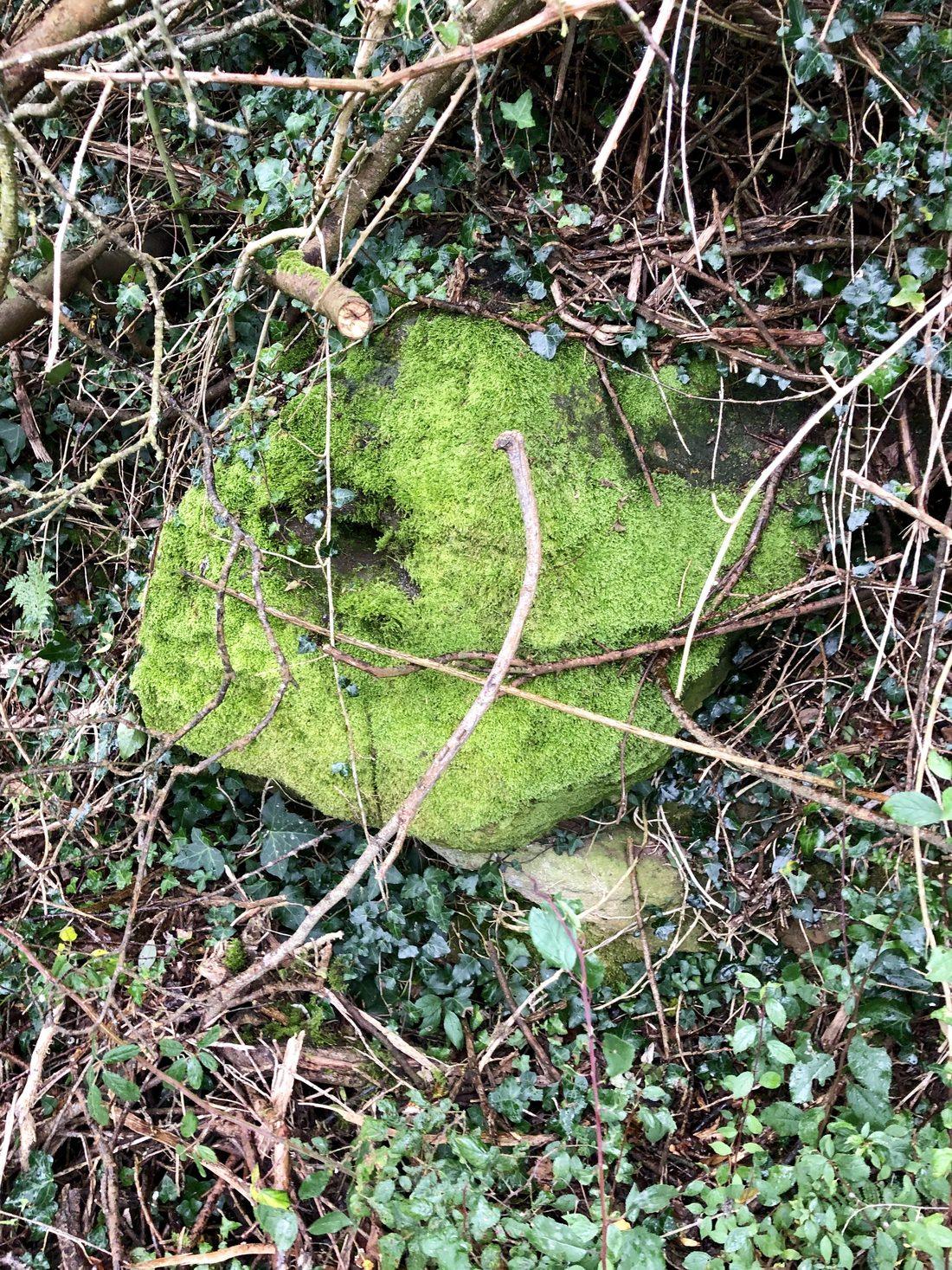
While the rock is simply a large field stone sitting in a farm paddock, and has little archaeological research value, it does have social and historical values as a centuries-old story place and physical connection with mythology that people could visit and touch to connect with the story. It is a locally rare landscape feature directly related to the telling of fantastical stories of epic deeds and wondrous feats performed by Fionn MacCumhaill.
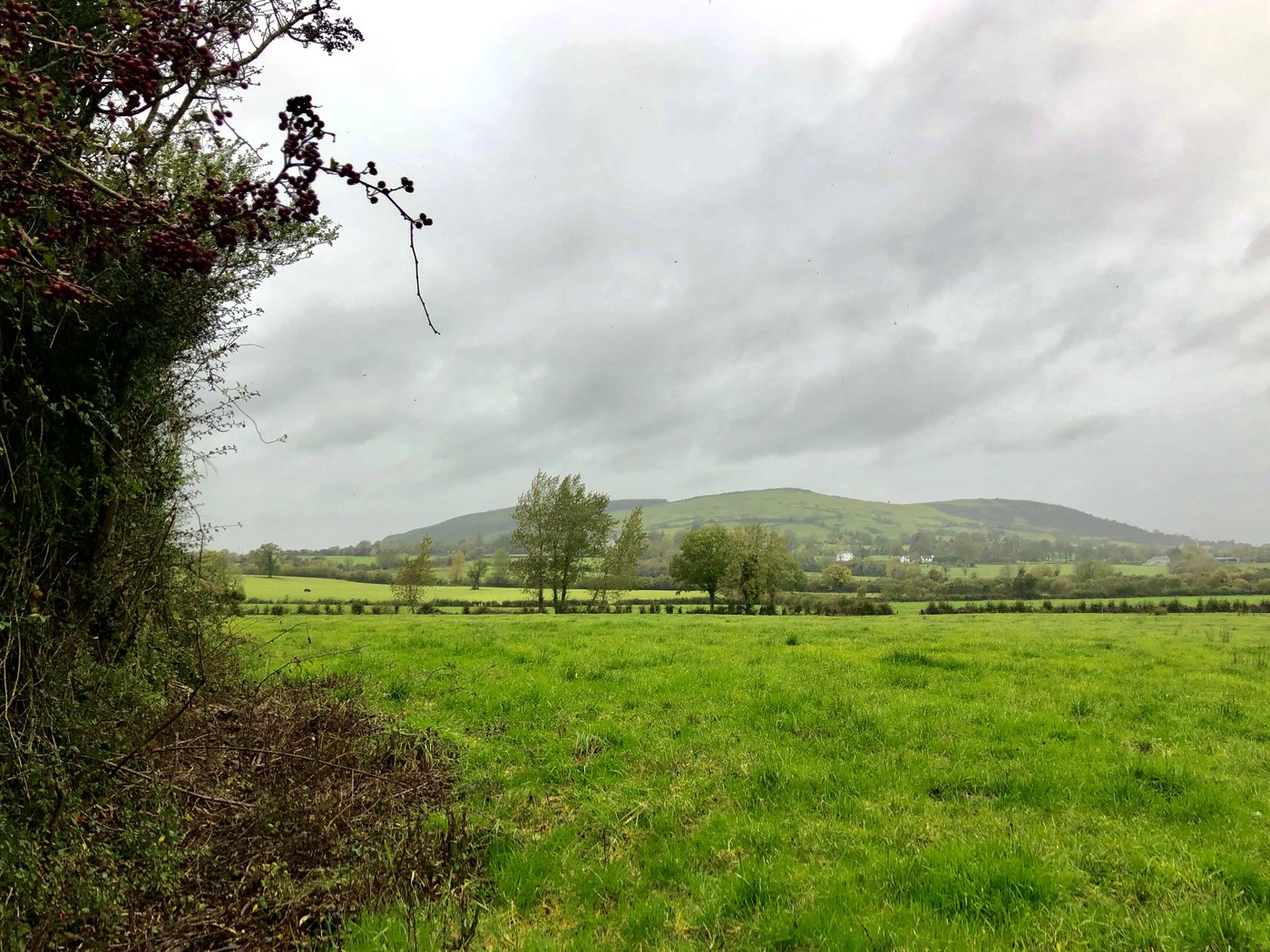
This sort of place is not usually picked up by a conventional archaeological or architectural heritage assessment process but it does have important, and increasingly rare, social and historical significance to a local community. Places like this ought to be recorded and protected before they are forgotten.
Approaches to these tactile places might include:
- Traditional approaches used in the protection of physical places and their curtilage.
- Measures that ensure ongoing access and amenity.
- Support for memorials and interpretation.
- A willingness to think past the strict definition of archaeological heritage and to consider other physical features that provide important physical connections with the past. Places that ancestors touched where stories were told.
Taste and smell
What about more ephemeral experiences such as taste and smell? These are perhaps the most challenging to protect, because they are sustained by practice rather than by fabric. They are, in effect, a component of intangible cultural heritage associated with living practices, crafts and industries.
Approaches to protection and management of these values draw directly from intangible cultural heritage practice, and could include:
- Commitments to protect and support traditional practices, food gathering, preparation and cooking, so that these traditions and the associated tastes and smells are maintained.
- Archival recording of food gathering, processing and cooking methods, to ensure a ‘conservation by record’.
- Economic support and other in-kind initiatives that can sustain traditional practices and industries and, where appropriate, sustainable cultural tourism.
Best practice ?
World Heritage properties provide some of the finest examples where cultural landscape protection, together with a commitment to the maintenance and enhancement of traditional practice, can preserve many sensory values – offering an immersive visceral sense of the heritage of a place. Foods, touch, smells, traditional activities, views and sounds.
Budj Bim, on Gunditjmara Country in south west Victoria, and Ainokura in the historic Gassho villages of Shirakawa-go and Gokayama in Japan, are two places where this is visible. In both cases the sensory qualities of the landscape survive because elements of traditional practice and land management are maintained and there is a commitment to holistic heritage practice that considers views, amenity and cultural practice as core values of the place.
The most reliable way to protect sensory values is to support and nurture living cultural practices and tradition. However, our thinking as heritage professionals should extend beyond that to seek opportunities to restore a sense of these values where they might have been lost, through embedding elements in landscape designs and remembering them in evocative interpretive works, such as the Hyde Park famine memorial. There is also a place for augmented reality and immersive experiences that could draw on sensory experiences pioneered in heritage interpretation practice and perhaps even drawing inspiration from the field of installation art.
Where next ?
If we want to understand the rich and interesting range of values in cultural landscapes, we need to go beyond traditional archaeological and architectural heritage technical assessments and explore the use of cultural values mapping and other people-centred and community-based approaches to understanding what is significant about a place or a landscape. This is not to say they should replace archaeological and architectural assessment and research – quite the opposite. They should instead complement those traditional approaches.
What I am advocating is an approach that broadens the scope of heritage research work so that we fully consider social and aesthetic significance alongside technical and historical significance. My own work has shown that this multi-focal approach to understanding the values of landscape provides considerably better conservation outcomes for the aspects of our cultural heritage that are most important to local communities.
Reading list
Australian guidance and frameworks
- Australia ICOMOS. 2013. Understanding and Assessing Cultural Significance, Burra Charter Practice Note, Version 1, November 2013. australia.icomos.org
- Australia ICOMOS. 2022. Practice Note: Cultural Landscapes, December 2022. australia.icomos.org
- Australia ICOMOS. 2013. The Burra Charter: The Australia ICOMOS Charter for Places of Cultural Significance. australia.icomos.org
World Heritage listings
- UNESCO World Heritage Centre. Sydney Opera House, World Heritage List no. 166, with the nomination documents. whc.unesco.org
- UNESCO World Heritage Centre. Budj Bim Cultural Landscape, World Heritage List no. 1577. whc.unesco.org
- UNESCO World Heritage Centre. Historic Villages of Shirakawa-go and Gokayama, World Heritage List no. 734. whc.unesco.org
Australian and Irish sources
- Ethos Urban. 2018. Hanging Rock Strategic Plan, September 2018. forestsandreserves.vic.gov.au
- Australian National University. Acton Campus Heritage Framework. imagedepot.anu.edu.au
- Rockbank Receiving Station, in There and Back, the Story of Woodlea. woodlea.com.au
- Former Kraft Vegemite Factory, 1 Vegemite Way, Port Melbourne, Heritage Overlay HO1381, introduced by Amendment C394 to the Melbourne Planning Scheme, Fishermans Bend In-Depth Heritage Review, City of Melbourne. participate.melbourne.vic.gov.au
- Wheeler, J. 2020. ‘Mapping the cultural values of Pallasgreen and Templebraden, an ICCROM Fellowship research project’, Greán, the Journal of the Pallasgrean & Templebraden Historical Society.
- Smith, A. and Johnston, C. 2014. ‘Beautiful one day: assessing the World Heritage aesthetic values of the Great Barrier Reef’, Historic Environment 26(2). australia.icomos.org
Theory
- Gosden, C. 2001. ‘Making sense: archaeology and aesthetics’, World Archaeology 33(2). doi.org/10.1080/00438240120079226
- Ackerman, D. 1990. A Natural History of the Senses. New York: Random House.
Acknowledgements
This piece is adapted from a paper I gave with Dr Miranda Gronow at the FPSR Cultural Landscapes Symposium in 2024. Thanks to Miranda for working with me on this and supporting this Detours piece.
I would like to thank Dr Ilya Berelov for the invitation to present at the symposium and to FPSR for supporting it. I would like to thank ICCROM for the Research Fellowship which allowed me to explore the cultural values of Pallasgreen and a particular big thanks to the community members in and around Pallasgreen, Co Limerick, who generously gave their time.